
Why a gynecological check-up in Barcelona is key to detecting disorders early and taking care of your feminine well-being at all stages of life.
Gynecological health should not be a taboo topic or relegated to the background. Prevention, monitoring, and early detection are fundamental pillars of women's well-being, and a gynecological check-up in Barcelona (or any other city) is much more than a doctor's appointment: it's a self-care tool and an active way to make decisions about your health.
Regular gynecological checkups allow you to detect conditions before they become major problems, resolve questions about contraception, sexuality, or fertility, and establish a relationship of trust with the professional who will guide you through different stages of your life, from adolescence to menopause. In this article, we explain what a complete gynecological checkup includes, when to get one, and why you shouldn't skip it.
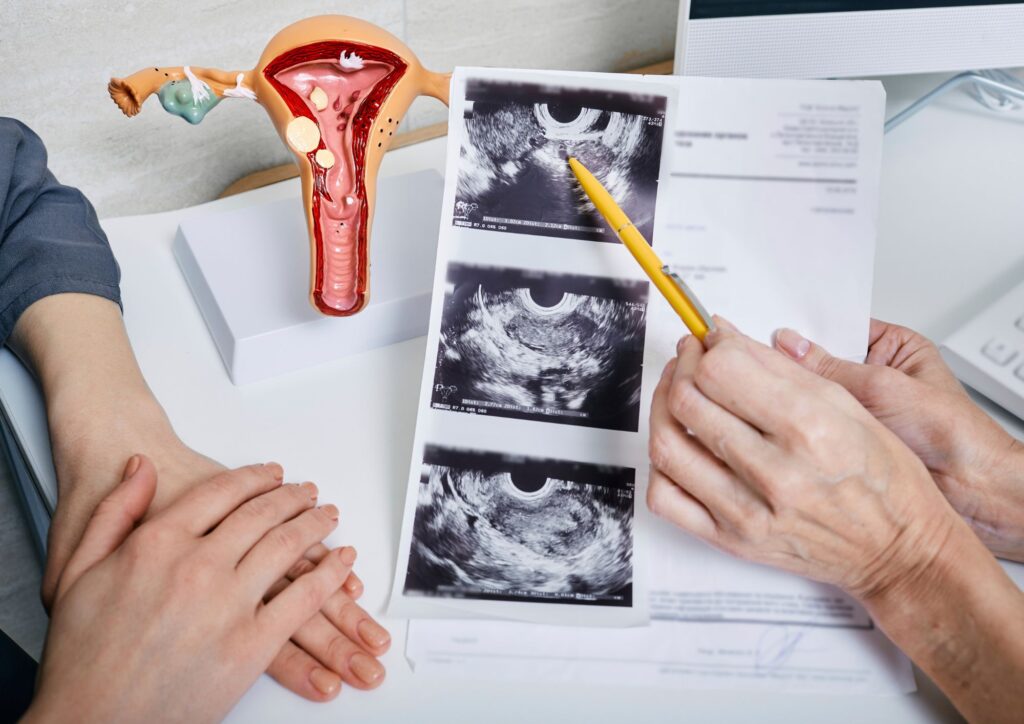
What is a gynecological check-up and why is it so important?
A gynecological checkup is a preventive medical evaluation that aims to assess the health of the female reproductive system. It's not necessary to have a specific symptom to see a gynecologist; on the contrary, the main focus of these visits is prevention.
In a gynecological check-up in Barcelona, usually include:
- Complete medical history
- Breast examination
- Pap smear or cytology test
- Vaginal or abdominal ultrasound, depending on the case
- Examination of the uterus and ovaries
- Cervical examination
- Guidance on contraceptive methods, menstruation, sexuality or fertility
These tests can help detect diseases such as cervical cancer, sexually transmitted infections, fibroids, ovarian cysts, endometriosis, polyps, and hormonal disorders in a timely manner. They can also identify the human papillomavirus (HPV), the main cause of precancerous cervical lesions.
How often is a gynecological check-up recommended?
The frequency of checkups will depend on several factors, such as age, personal and family history, the onset of sexual intercourse, and whether the woman has specific symptoms or conditions.
In general, specialists recommend:
- From the age of 21 or after the start of sexual activity, carry out the first review and repeat it annually.
- If everything is fine and there are no risk factors, cytology can be spaced out every 3 years.
- Ultrasounds may be performed with varying frequency depending on the findings, history, or symptoms.
- From the age of 45-50, they should be supplemented with breast exams and mammograms.
- Women with a history of gynecological cancer, irregular periods, or persistent symptoms should consult earlier or more frequently.
The gynecological check-up in Barcelona It should be understood as a routine health check, just like a general checkup or a visit to the dentist. Waiting until you experience discomfort or bleeding before going can pose unnecessary risks.
What symptoms indicate that you need to see a gynecologist as soon as possible?
Although preventive checkups are essential, there are also warning signs that indicate the need to see a gynecologist as soon as possible:
- Bleeding outside the menstrual cycle
- Vaginal discharge with a bad odor or unusual color
- Pain during sexual intercourse
- Persistent itching, burning, or discomfort in the intimate area
- Chronic or recurring pelvic pain
- Menstrual delays without apparent cause
- Changes in menstrual rhythm or heavy bleeding
- Lumps in the breasts or abnormal nipple discharge
If any of these symptoms occur, medical evaluation is essential. Many conditions can be easily treated if detected early, but if left to progress, they can affect quality of life, fertility, or even lead to major complications.
Which professionals perform gynecological examinations?
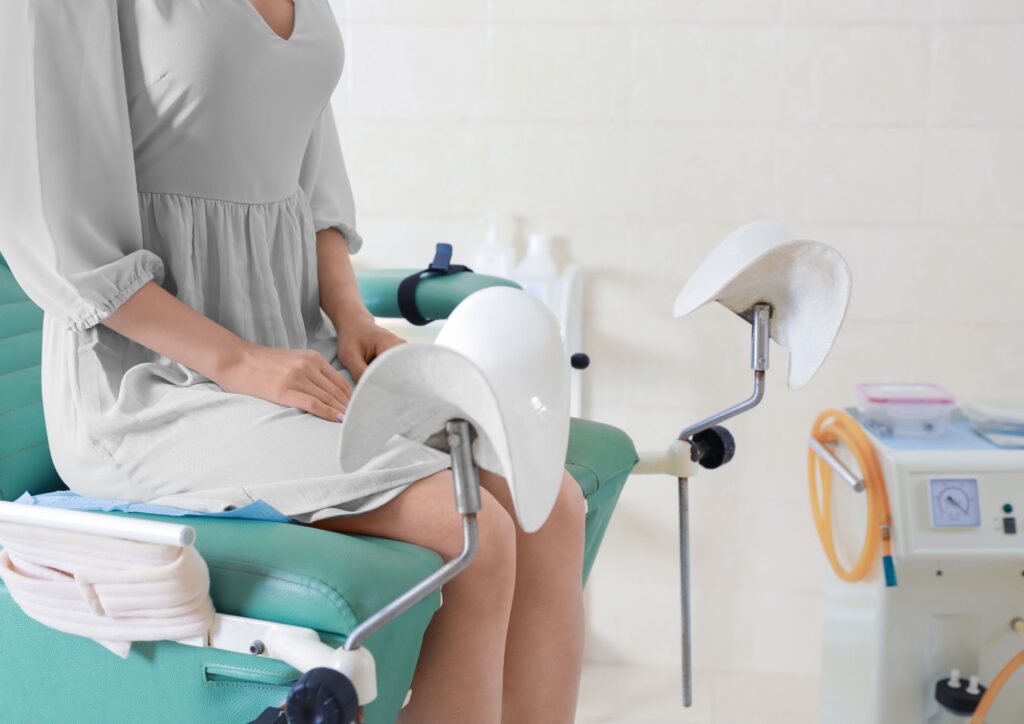
The checkup should be performed by a specialized gynecologist with experience in women's sexual and reproductive health. At centers like GINEPÉREZ, for example, care is provided by a team of gynecologists who offer a comprehensive and personalized approach, tailored to each stage of life: adolescence, childbearing years, pregnancy, postpartum, menopause, and old age.
An environment of trust, empathy, and non-judgment is key to enabling the patient to freely express doubts or concerns. gynecological check-up in Barcelona It must not only be technically rigorous, but also humane, close and respectful of the privacy and autonomy of each woman.
What tests can be part of a gynecological examination?
In addition to a physical examination, a gynecological check-up may include various complementary tests, depending on each woman's needs:
- Cervical cytology: detects cellular alterations in the cervix.
- HPV Test: to know the presence of risk strains.
- Vaginal or abdominal ultrasound: allows you to clearly see the uterus, endometrium, ovaries and tubes.
- Mammography or breast ultrasound: recommended from the age of 40-45, or earlier if there is a history.
- Hormonal analysis: in cases of menstrual irregularities, infertility, premature menopause or PCOS.
- STI Testing: when there is suspicion or risk of infection.
- Pelvic floor studies: especially in postpartum women or those with urinary incontinence.
All of these tests allow for early detection of diseases, treatment guidance, and professional resolution of questions.
What role do check-ups play at different stages of life?
The gynecological check-up in Barcelona (or any center dedicated to women's health) should support women from adolescence to older adulthood. Needs change, but the importance of gynecological follow-up remains the same:
- In adolescence, serves to clarify doubts about menstruation, contraceptive methods, first sexual relations and general intimate health.
- During the fertile stage, helps control the cycle, prevent infections, advise on contraception and accompany processes such as pregnancy.
- In premenopause and menopause, is key to managing symptoms such as vaginal dryness, insomnia, mood swings, or decreased sexual desire.
- In mature age, allows you to prevent gynecological cancer, treat prolapses, control the pelvic floor and maintain intimate well-being.
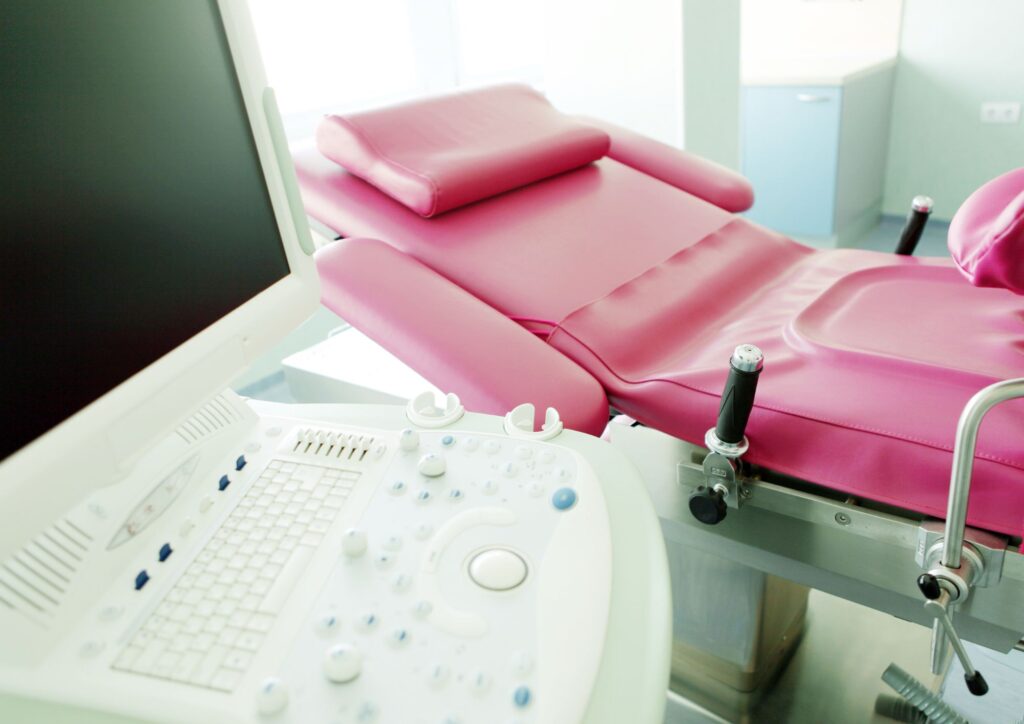
The gynecological check-up in Barcelona It's an opportunity to take care of yourself, anticipate potential problems, and resolve any concerns professionally. It's not just about detecting illnesses, but also about creating a space for listening and ongoing prevention. Your body changes, so does your health, and having a trusted gynecologist makes all the difference.
Don't wait until you have symptoms to get a checkup. Making it part of your routine is an act of self-love and an investment in your long-term well-being. Modern gynecological medicine not only cures but also supports, guides, and empowers.
