
VAGINAL INFECTION
When vaginal discharge contains germs that usually cause discomfort or symptoms
SYMPTOMS, DIAGNOSIS AND TREATMENT
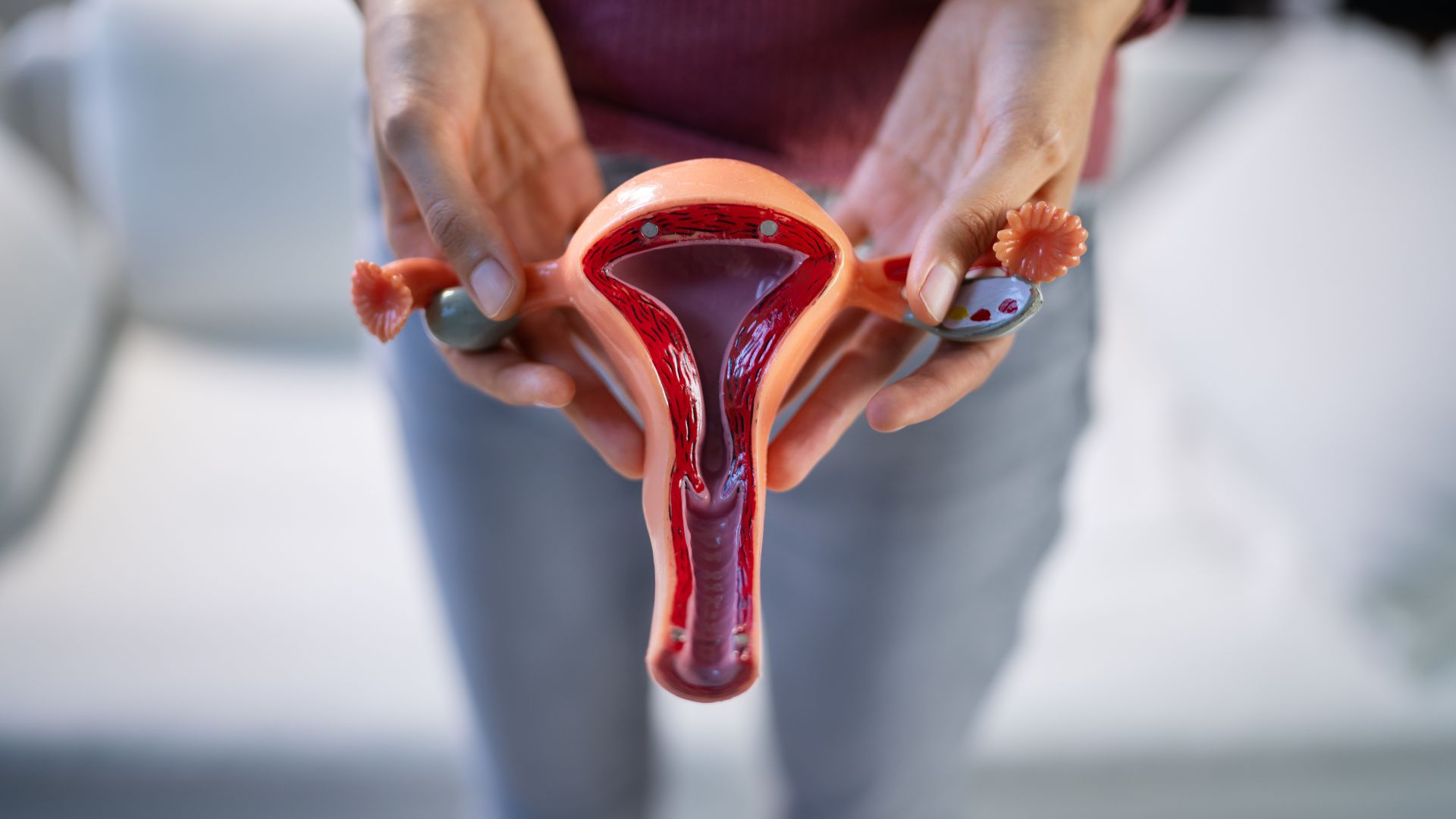
Vaginal infection occurs when vaginal discharge contains germs that cause discomfort or unpleasant symptoms. Among the most common infections are vaginal candidiasis, caused by fungi such as “Candida albicans,” and “bacterial vaginosis,” generally associated with an imbalance in the vaginal bacterial flora.

DIAGNOSIS AND SEVERITY
Vaginal infection can be diagnosed by identifying characteristic symptoms, such as itching, burning or pain, which are usually associated with the presence of fungi or bacteria in the vagina. In addition, in some cases it may be necessary to perform a germ culture to confirm the diagnosis and determine the appropriate treatment.
Although vaginal infections are usually benign and easily cured, it is important to treat them properly to avoid complications and persistent discomfort.
PREVENTION AND RECOMMENDATIONS
To prevent vaginal yeast infections, it is advisable to avoid situations that may increase the risk, such as stress or prolonged use of antibiotics, which can alter the balance of vaginal flora. In addition, maintaining good intimate hygiene and wearing loose cotton underwear can help prevent the proliferation of germs in the genital area.
For bacterial infections such as vaginosis, it is important to practice proper hygiene measures, such as wiping from front to back after using the bathroom and using a condom during sex to prevent the transmission of sexually transmitted diseases such as chlamydia.


TREATMENT AND EARLY DETECTION
Treatment for vaginal infections varies depending on the type of germ causing them. Antifungal drugs are usually used for fungal infections, while specific antibiotics can be used for bacterial infections. It is essential to see a gynecologist at the slightest sign of a vaginal infection to receive appropriate treatment and prevent possible complications.
