
HOT FLASHES
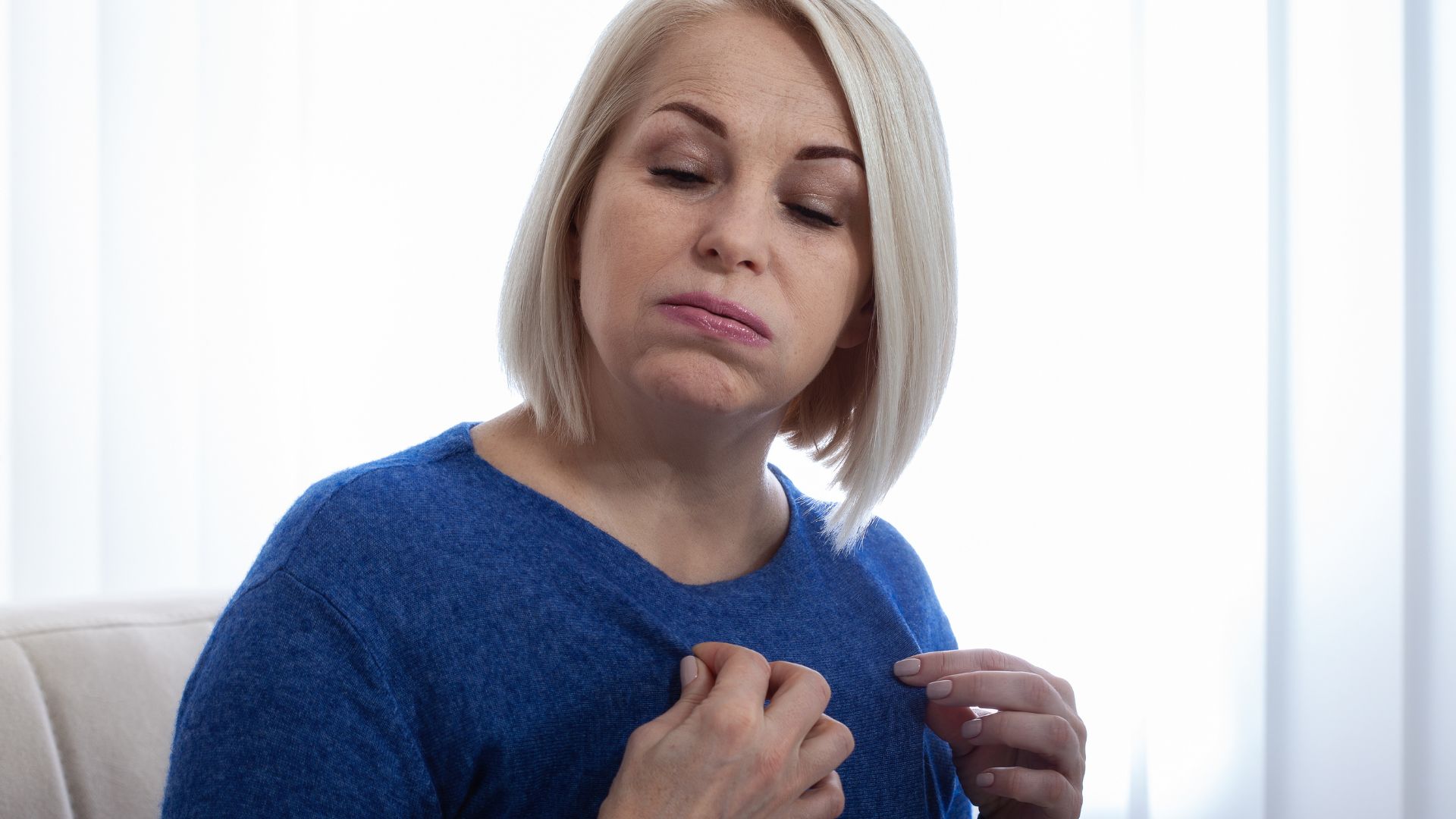
Hot flashes, also known as hot flushes, are a common symptom experienced by many women, especially during menopause. They are characterized by a sudden sensation of intense heat that mainly affects the face, neck and chest. These episodes may be accompanied by profuse sweating and redness of the skin.
Symptoms
Hot flashes can vary in intensity and duration. Some women experience them occasionally, while others may experience them several times a day. Symptoms can affect quality of life and cause physical and emotional discomfort.

Causes
Hot flashes are caused by fluctuations in hormone levels, especially during menopause. Decreased estrogen levels can affect the body's temperature regulation system, leading to the onset of hot flashes.
Diagnosis
Diagnosis of hot flashes is usually based on the symptoms reported by the patient. However, in some cases, additional tests may be required to rule out other medical conditions.
Treatment
Treatment for hot flashes may vary depending on the severity of symptoms and patient preferences. Treatment options include hormone therapy, non-hormonal medications, lifestyle changes, and complementary therapies such as acupuncture or meditation.
Prevention
While they cannot be completely prevented, there are steps you can take to reduce the frequency and intensity of hot flashes. These include avoiding known triggers such as alcohol, caffeine and spicy foods, maintaining a healthy weight, practicing relaxation techniques and keeping a cool environment.
Medical Consultation
It is important to speak with a doctor if hot flashes significantly interfere with daily quality of life. A health care professional can provide guidance on available treatment options and help develop a management plan appropriate for each individual case.
