
Endometriosis
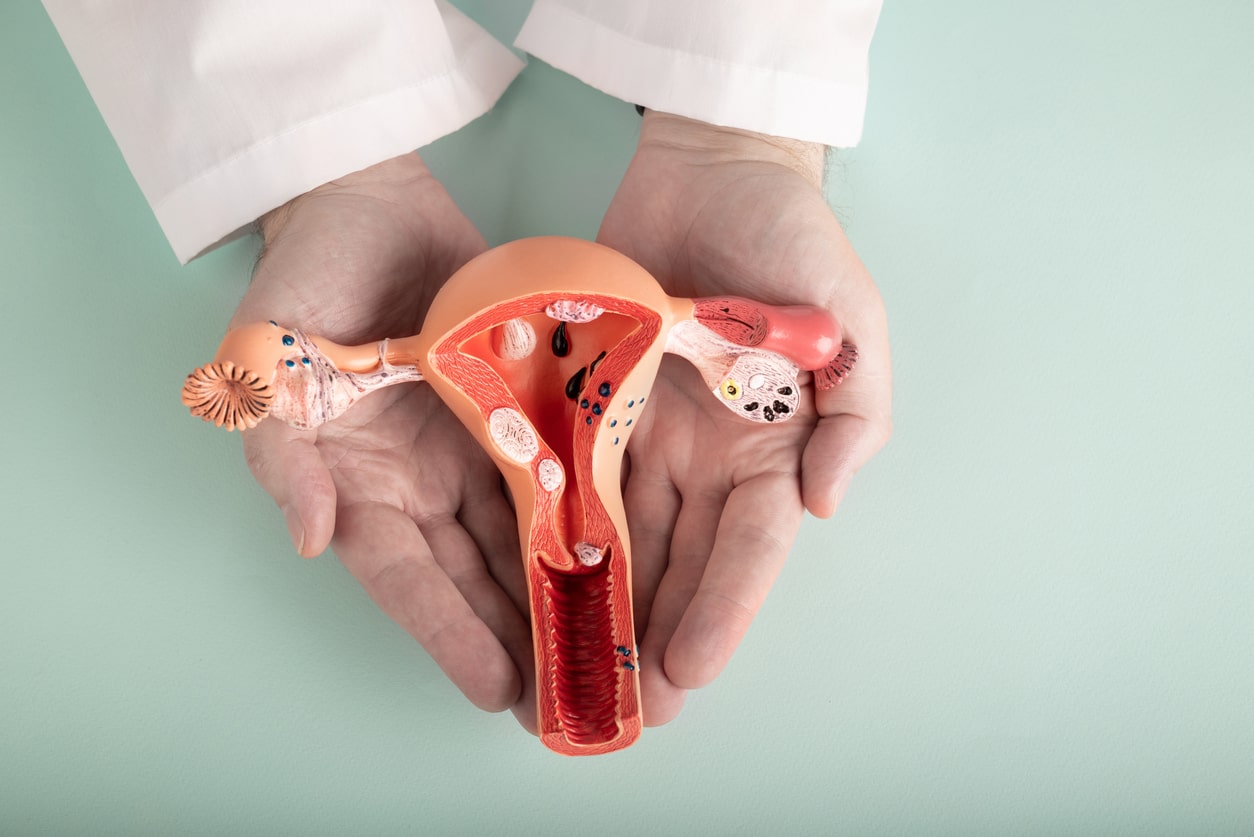
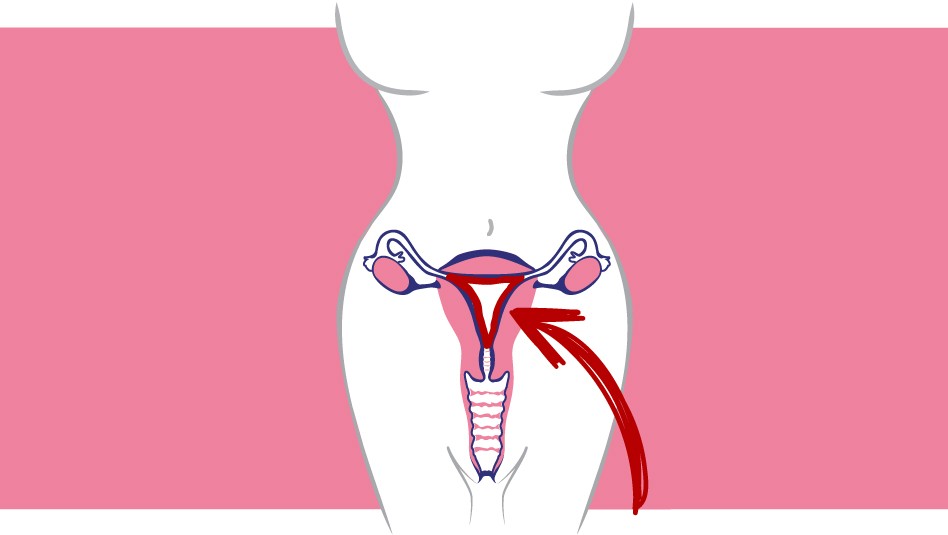
Endometriosis is a chronic gynecological condition that affects millions of women worldwide. It is characterized by the abnormal growth of endometrial tissue outside the uterus, which can lead to a variety of symptoms and complications. This condition can affect women's quality of life and impact their reproductive health.
Symptoms
Symptoms of endometriosis can vary widely among women and may include severe pelvic pain during menstruation (dysmenorrhea), pain during sexual intercourse, chronic pelvic pain, heavy or irregular menstrual bleeding, fatigue, bowel or urinary problems, and infertility.
Causes
Although the exact cause of endometriosis is not fully understood, it is thought to involve a combination of genetic, hormonal and immunological factors. The most widely accepted theory is retrograde menstruation, where menstrual tissue flows backward through the fallopian tubes and implants in the pelvic cavity instead of exiting the body.
Diagnosis
Diagnosing endometriosis can be challenging, as symptoms may overlap with other conditions and not all women experience obvious symptoms. Laparoscopy, a minimally invasive surgical procedure, is considered the gold standard for diagnosis, as it allows direct visualization of endometrial implants outside the uterus.
Treatment
Treatment for endometriosis is based on symptom relief and may include medications to control pain and reduce inflammation, hormone therapy to regulate the menstrual cycle and reduce the growth of endometrial tissue, and surgery to remove endometrial implants and restore pelvic anatomy.
Prevention
There is no known way to prevent endometriosis, but maintaining a healthy weight, exercising regularly and eating a balanced diet can help reduce your risk of developing the condition.
Medical Consultation
It is important to seek medical help if you experience persistent symptoms associated with endometriosis, as early diagnosis and treatment can help prevent long-term complications and improve quality of life. A gynecologist can provide guidance on available treatment options and develop a personalized management plan for each patient.
