Gynecological surgery
Breast cancer surgery today is much less aggressive.
Breast surgery
Thanks to annual or biannual mammographic check-ups, early diagnosis is possible with small lesions, which allows us to perform conservative surgery.
Many times only the tumor and a lymph node are removed to diagnose extension (sentinel node), so the patient keeps her normal breast and armpit and can be considered cured.

Gynecological surgery
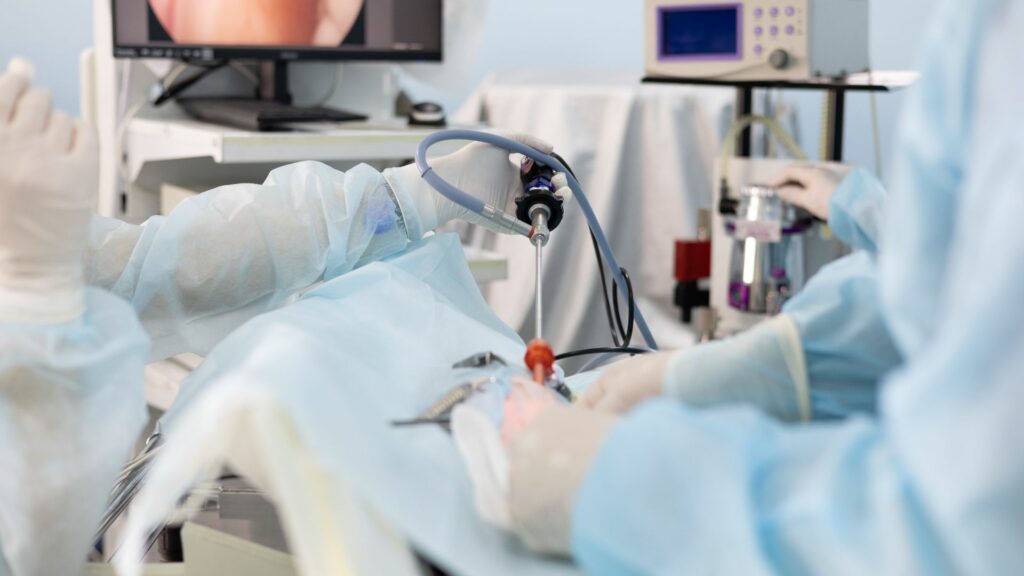
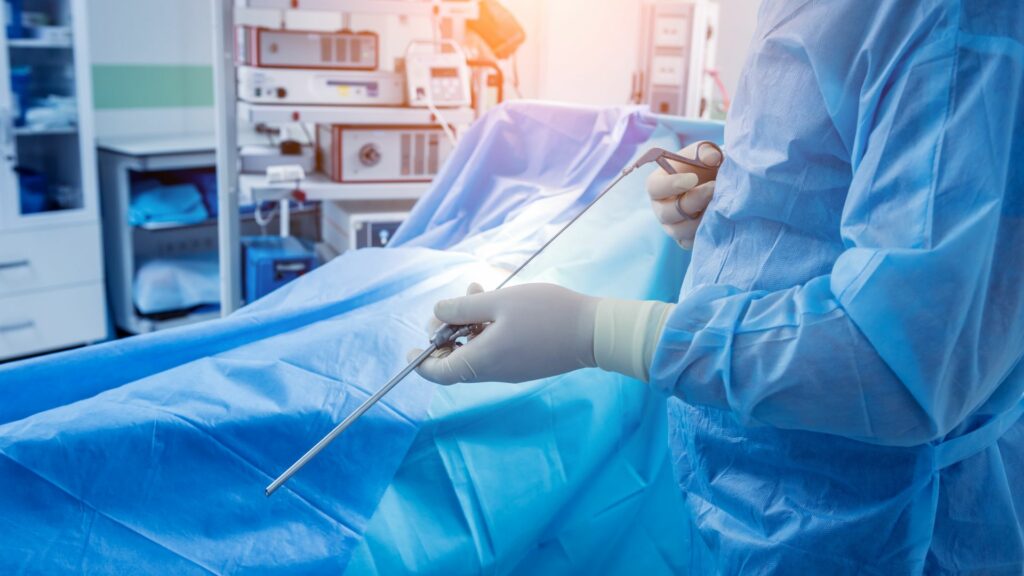
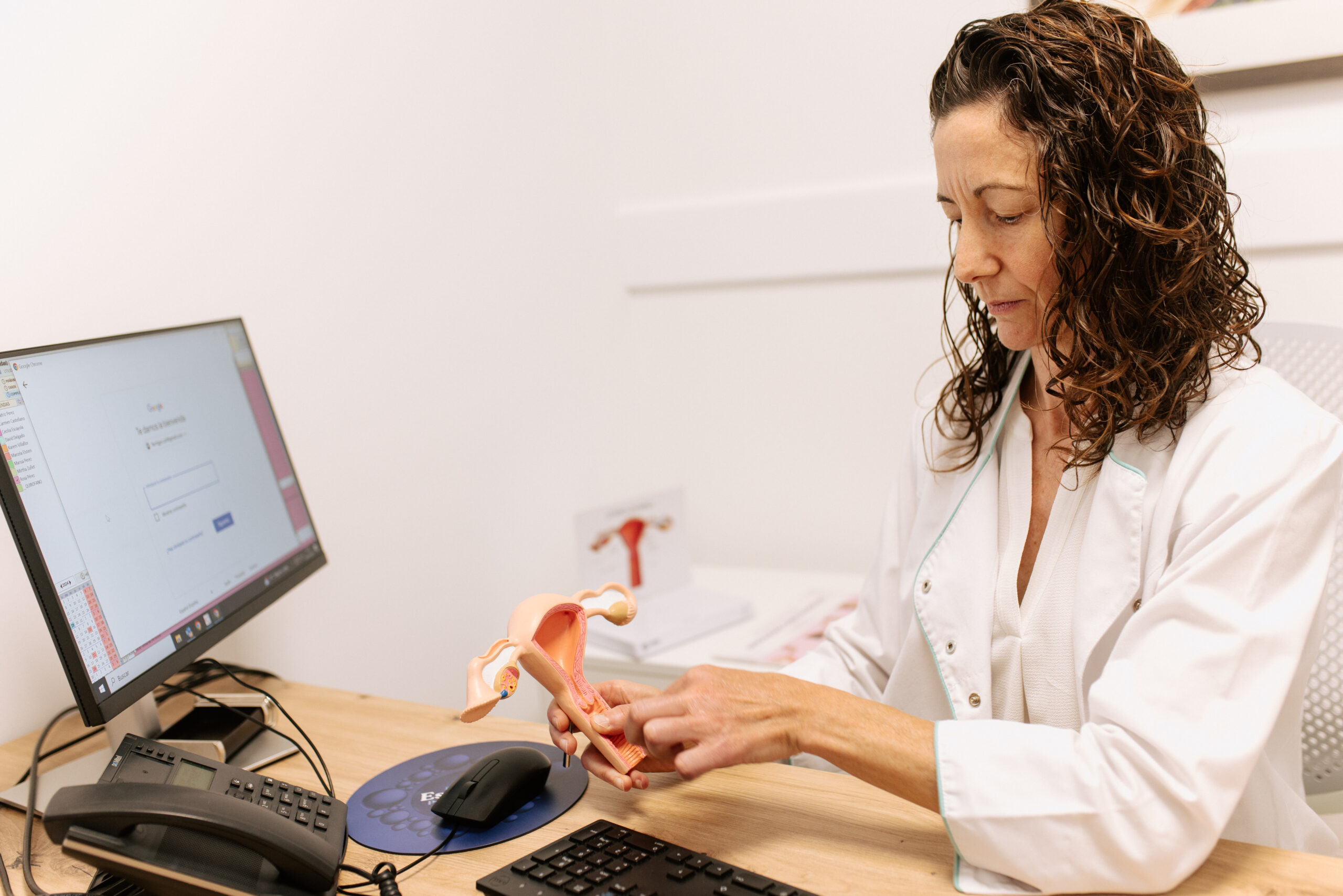
Gynecological surgery has evolved in recent years towards the use of laparoscopic and hysteroscopic techniques.
Dr. Cecilia Escayola has been trained in the most innovative techniques of minimally invasive surgery. Numerous interventions performed over the last 20 years in hospitals and clinics endorse her as an expert surgeon in laparoscopy, hysteroscopy, abdominal, vaginal and breast surgery, and other cutting-edge techniques.
At GinePérez we are therefore able to offer our patients outpatient or laparoscopic treatment for surgeries that require it.
Types of gynecological surgery
ENDOSCOPIC SURGERY: Hysteroscopy
Hysteroscopy is recommended when menstrual disorders occur during reproductive age or vaginal bleeding during menopause and postmenopause. It allows direct visualization of the uterine cavity and to determine the presence of endometrial polyps, fibroids, or problems related to the cervix. It is usually completed by obtaining samples of endometrial tissue or polyps for subsequent anatomopathological study.
A hysteroscopy is also useful for the investigation of uterine malformations in women with a history of infertility or repeated miscarriages.
Diagnostic hysteroscopies are performed on an outpatient basis: only a short-term local anesthetic is required and the patient can leave and continue with her normal activity after the procedure.

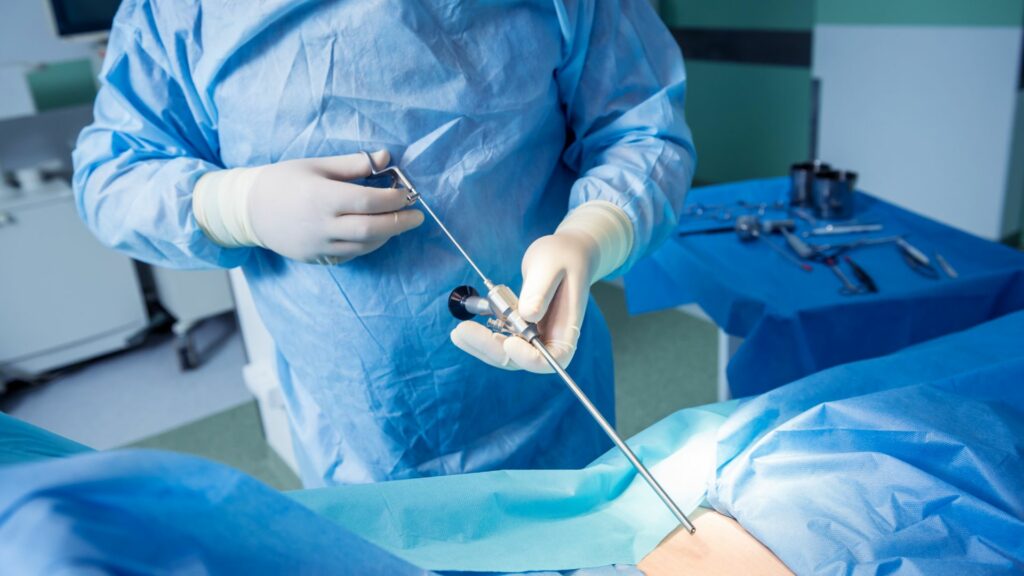
ENDOSCOPIC SURGERY: Laparoscopy
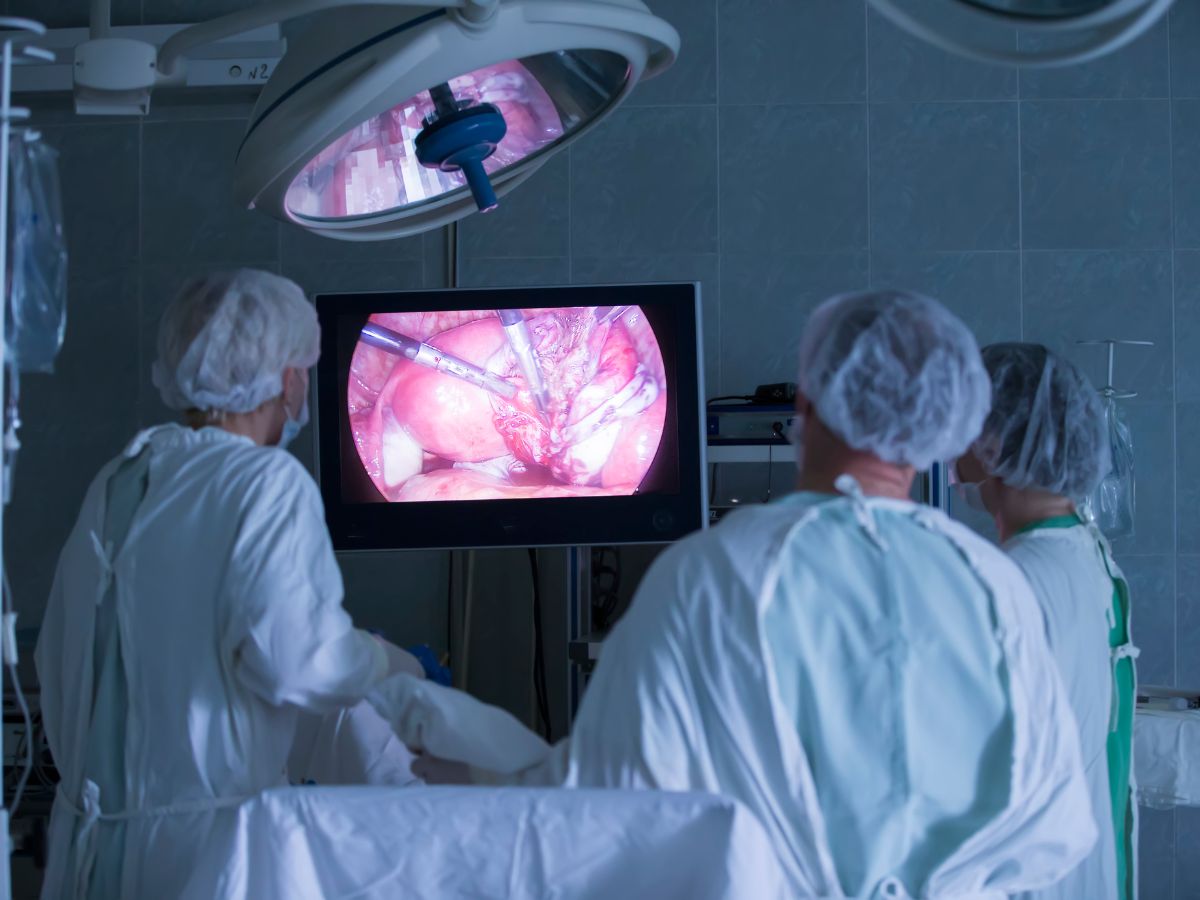
Laparoscopic surgery is a technique that involves operating using a camera that is placed through tiny incisions made near the area to be treated.
Nowadays, laparoscopic surgery is used to treat problems such as ovarian cysts, uterine fibroids, ectopic pregnancies, endometriosis, pelvic inflammatory disease, pelvic floor dysfunctions, urinary incontinence, among others. Laparoscopy can also be used for major procedures such as hysterectomies or certain types of oncological surgery, such as the treatment of ovarian and endometrial cancer. It is the method currently used for female sterilization by non-reversible tubal ligation.
Its advantages are:
- Shorter convalescence time and faster recovery
- Reduced hospital stay. The procedure is usually carried out in a day hospital and the patient is discharged within a few hours.
- Less pain and lower risk of post-surgical complications (infections, post-operative adhesions, etc.)
- Barely noticeable scars.
Laparoscopic surgery, despite the progress it represents compared to traditional open surgery, still requires hospitalization and general anesthesia.
GYNECOLOGICAL SURGERY: Hysterectomy via abdominal or vaginal route
Hysterectomy consists of the removal of the uterus (womb), which may or may not include the cervix, and with or without the ovaries (one or both), in the same operation.
Preservation of the ovaries and cervix in a young woman allows for a completely normal life and sexuality.
The uterus can be removed either through the abdomen (abdominal hysterectomy) or in some cases through the vaginal canal, the latter being called vaginal hysterectomy. The decision on whether to use an abdominal or vaginal approach will depend on the pathology, the size of the uterus and the degree of prolapse that existed before the operation.
Related gynecological problems
Gynecological conditions such as polycystic ovaries, ovarian and endometrial cancer, fibroids, and urinary incontinence may influence the decision to undergo intimate surgeries. In addition, problems with the cervix may require special attention before and after these interventions. It is important that anyone interested in these procedures consult a qualified specialist to discuss their options and expectations, taking into account any pre-existing medical conditions.
These interventions have become more common and accepted in today's society, with many women seeking to improve both the functionality and aesthetics of their intimate area.