
Clinical analysis
We recommend visiting your gynecologist at least once a year, regardless of your age.
Clinical analysis
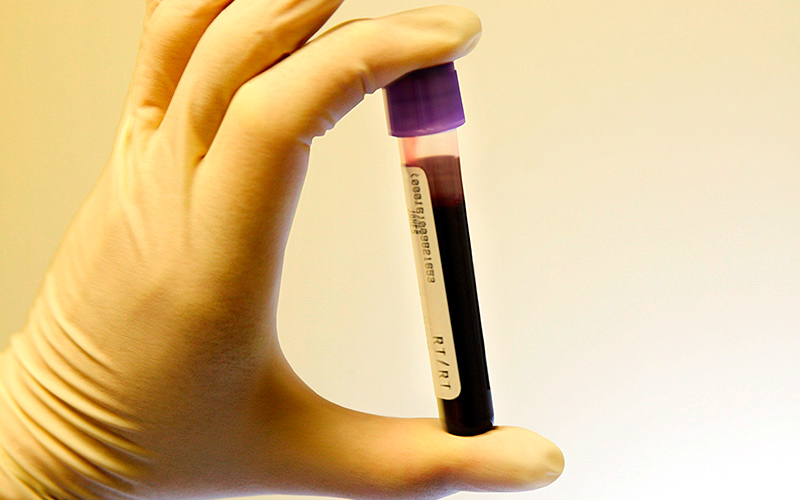
Clinical tests of blood, urine, stool, hormones, tumor markers, pregnancy tests, vaginal and cervical cultures, or modern genetic studies contribute to performing a better gynecological examination.
The tests to be performed will depend on age, risk factors, whether or not a woman wants to become pregnant, family and personal history, etc. For example, women with a family history of breast cancer, ovarian cancer, endometrial cancer, or breast cysts may require additional and more frequent tests. Women with polycystic ovaries, fibroids, or urinary incontinence will also need specialized monitoring.

We recommend visiting your gynecologist at least once a year, regardless of your age. Your gynecologist will tell you what type of tests you need depending on the stage of your life you are in, also considering whether you have symptoms such as mastodynia (breast pain) or any other gynecological discomfort.
A complete gynecological examination is essential for the early detection of any abnormality and for the proper management of chronic or hereditary conditions. Maintaining open communication with your gynecologist and following her recommendations will contribute to your overall health.
