
POLYPS
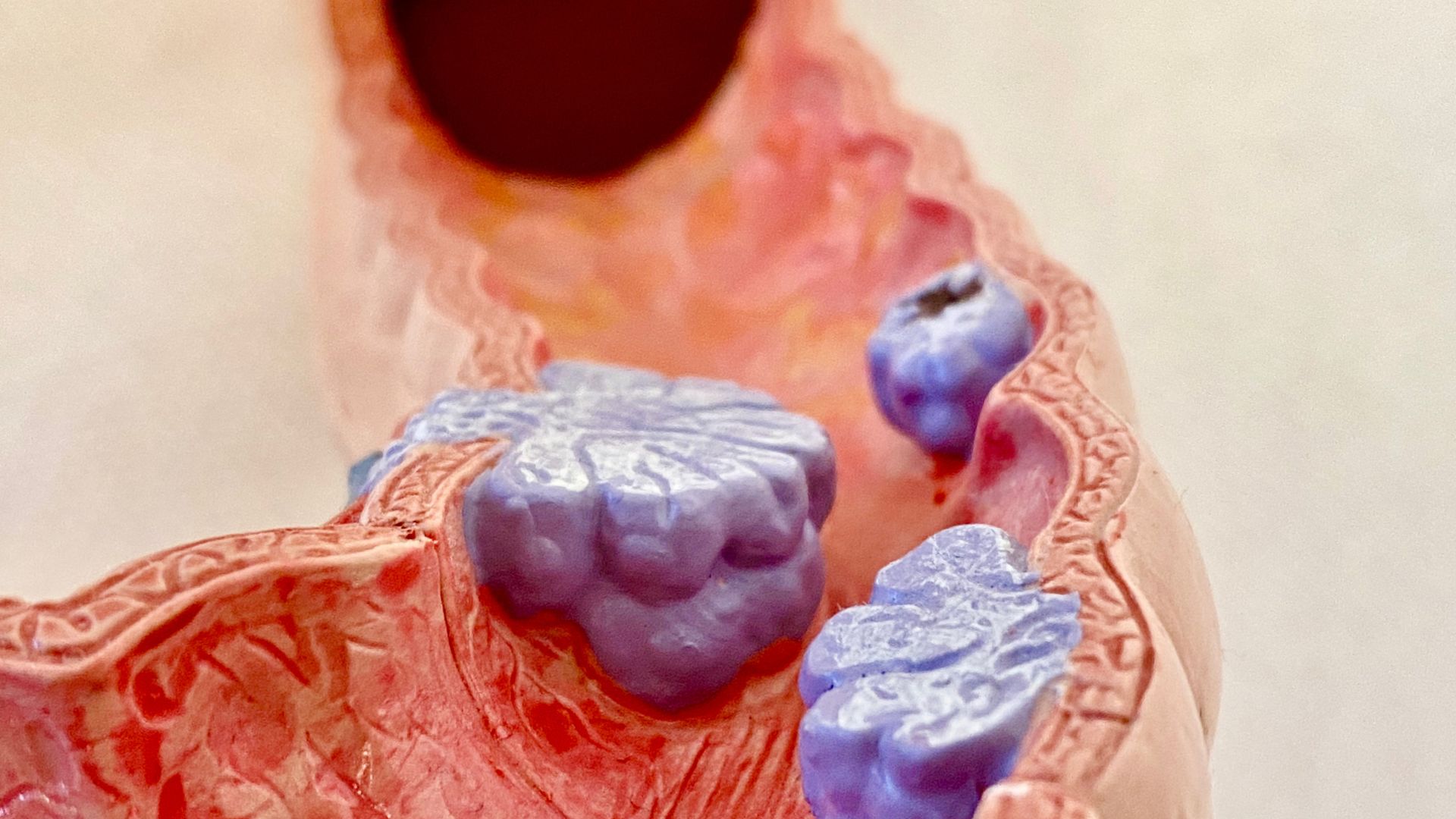
They are small fleshy growths between 1 and 2 centimeters that can be inside the uterus (endometrium) or in the neck of the uterus (cervix) and that in 99% of cases are benign.
POLYPS
Polyps are abnormal growths, usually benign, that can arise inside the uterus (endometrium) or the cervix. They appear as small, fleshy growths, ranging in size from 1 to 2 centimeters. Although they are usually asymptomatic, in some cases they can cause abnormal vaginal bleeding or abdominal discomfort.
Comprehensive and Accurate Diagnosis
Endometrial polyps are detected using ultrasound, a non-invasive technique that allows the uterine cavity to be visualized in great detail. Cervical polyps, on the other hand, are usually identified during a routine vaginal examination performed by the gynecologist. In both cases, an early and accurate diagnosis is essential to determine the nature of the polyps and plan the appropriate treatment.
Severity and Risk of Malignancy
It is important to note that the vast majority of polyps are benign, with only about 1% showing malignant or precancerous features. Although the chance of a polyp being cancerous is low, proper medical follow-up is essential to rule out complications and ensure long-term gynecological health.
Risk Factors and Active Prevention
It has been observed that excess weight and obesity can increase the risk of developing cervical polyps, especially during menopause. Therefore, maintaining a healthy weight and adopting active lifestyle habits can help prevent the formation of polyps and other gynecological disorders.
Recommendations for Gynecological Care and Surveillance
If you experience even the slightest vaginal bleeding or any other abnormal symptoms, it is highly recommended to visit a gynecological clinic for a complete evaluation. Our specialized medical team is trained to make an accurate diagnosis and offer personalized treatment options according to the needs of each patient.
Customized Treatment Options
Treatment for polyps can vary depending on their location, size, and individual characteristics. Excision, which involves surgical removal of the polyp, can be performed in several ways. Hysteroscopy, a procedure that uses a small telescope to visualize and remove polyps from inside the uterus, is a commonly used option. Alternatively, in the case of cervical polyps, torsion can be performed to effectively remove the growth.

Comprehensive approach and ongoing support
At GINEPÉREZ formerly Gynecology Doctoras Pérez, we offer a comprehensive and personalized approach to the treatment of uterine and cervical polyps. Our goal is to provide each patient with quality medical care, focused on their individual needs and geared toward improving their gynecological health and overall well-being. Don't hesitate to contact us to schedule a consultation and explore your treatment options!
