
Mother
Breast cancer begins as a localized disease. It is initially asymptomatic and later symptomatic.
Breast pathology. What do we know today?
One in 10 women will develop breast cancer in her lifetime. Furthermore, epidemiological records show that the number of cases is increasing and today it ranks second as a cause of cancer death in women over 25 years of age.
In 80% cases, survival depends on its extent at the time of diagnosis, hence the importance of early diagnosis.


The causes of breast cancer are still unknown. It is believed that it usually occurs sporadically, due to environmental factors, our lifestyle, hormonal factors, etc. Only in a small percentage of cases, breast cancer is hereditary and is associated with a genetic mutation that increases (only slightly) the risk of developing the disease.
In women with a family history of juvenile breast cancer, recurrent ovarian cancer, endometrial cancer, or both, a hereditary factor may play a role in the development of the disease. In this case, it is worthwhile to undergo genetic testing to find out whether this mutation has been inherited.
Diagnosis of breast lesions
Breast cancer begins as a localized disease. It is initially asymptomatic and later becomes symptomatic. The symptoms that may lead to suspicion of breast cancer and which force every woman to consult a doctor immediately are:
- A lump or tumor that is palpable, that is different from the rest of the breast tissue, has a hard consistency, may or may not be painful to the touch, and does not disappear over the course of a few days.
- Rough skin on the breast, resembling an "orange peel."
- Breast deformity.
- Breast discharge, especially if it contains blood.
- Nipple retraction.
- Mastodynia or breast pain, which can be a sign of cancer, although it can also be related to breast cysts or other benign conditions.
Mammography
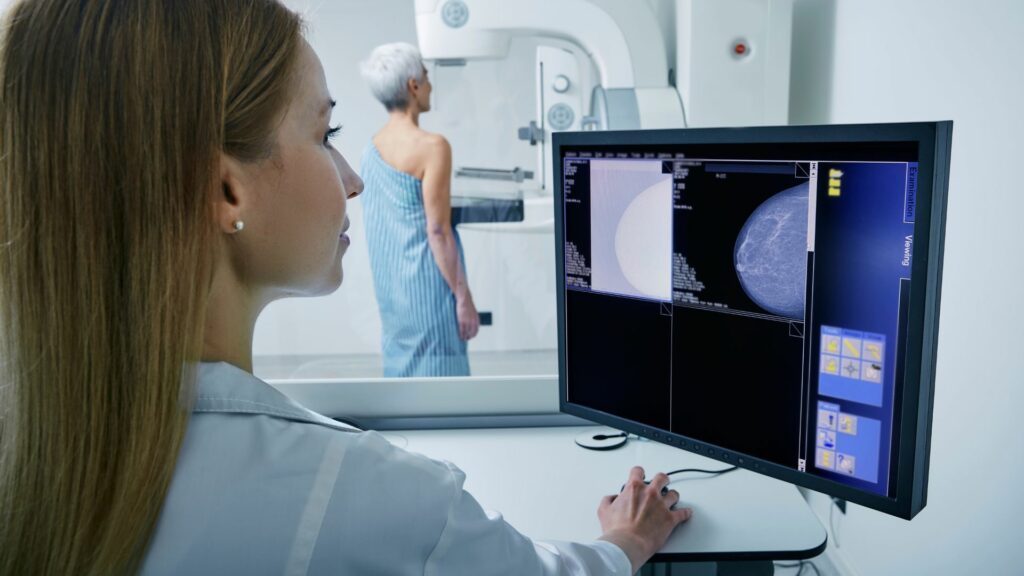
Mammography is the cornerstone of breast cancer prevention because it can detect the disease early in asymptomatic women, before any symptoms appear. It should be performed annually, or every 2 years, depending on the age and characteristics of each woman.
Breast ultrasound
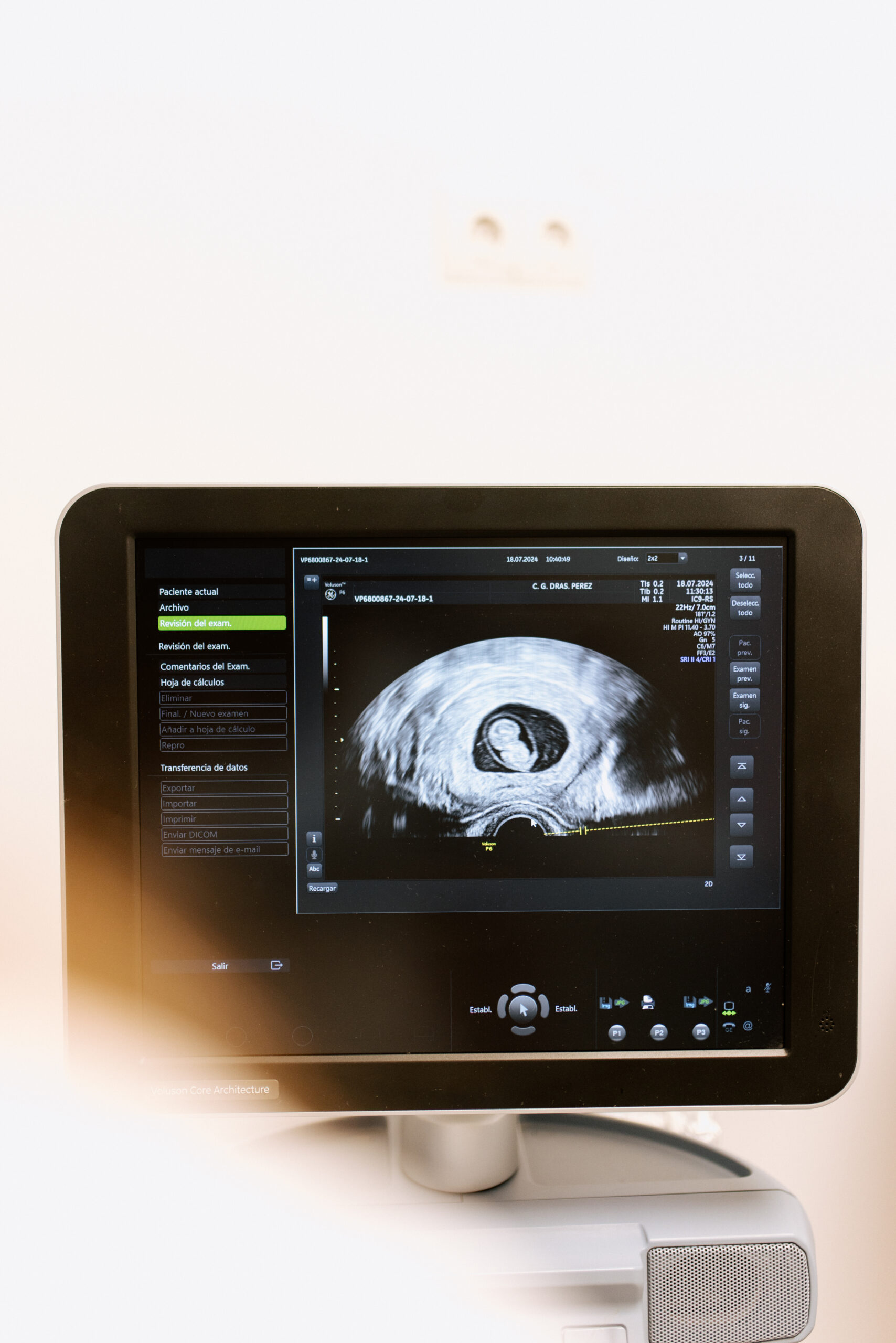
Breast ultrasound diagnoses benign lesions in young breasts and serves as a complement to mammography for the diagnosis or exclusion of breast cancer.
It is important to ensure the quality of the radiological equipment, and, above all, the quality of interpretation by the radiologist.
Other considerations
In addition to breast cancer, it is important to be aware of other breast pathologies such as breast cysts and mastodynia (breast pain), which, although generally benign, may also require medical attention for proper management and to rule out any malignant condition. Monitoring and early diagnosis are key to breast health.